
Leading Waterproofing Products To Protect Your Property
Explore top waterproofing solutions designed to ensure durability and prevent water damage in your home or project.
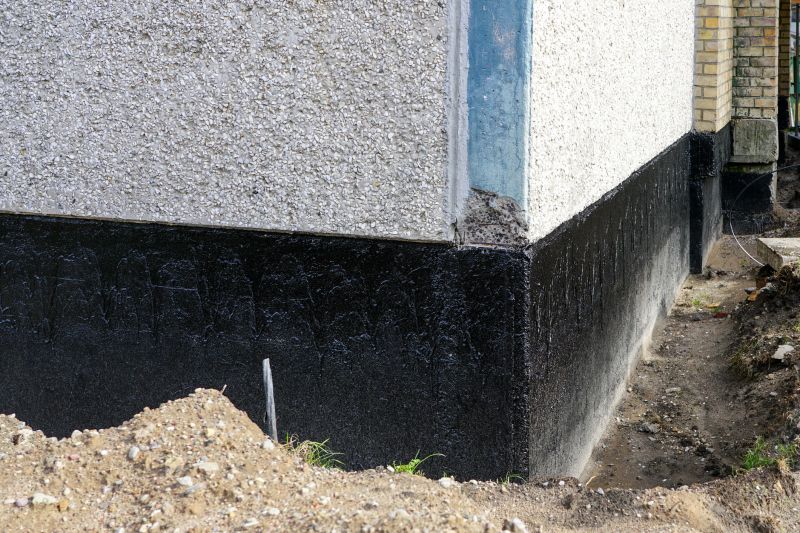 Waterproofing products are essential for protecting structures, foundations, and surfaces from moisture intrusion and water damage. They come in various forms and formulations, each suited for different applications such as basements, roofs, decks, and walls. Proper selection and application of waterproofing materials can help prevent issues like mold growth, structural deterioration, and interior damage. When considering waterproofing solutions, it's important to evaluate the specific needs of the project, including the type of surface, exposure conditions, and longevity requirements.
Top Overall Option
Versatile Waterproofing Membrane
A high-quality waterproofing membrane offers a durable, flexible barrier suitable for various surfaces such as roofs, foundations, and decks. Its ease of application and adaptability make it a reliable choice for many projects, providing long-lasting protection against water infiltration.
Types of Products For Waterproofings
Liquid Waterproofing Coatings
These are liquid-based formulations that can be painted or rolled onto surfaces, creating a seamless waterproof barrier.
Bituminous Membranes
Asphalt-based sheets or rolls used primarily for roofing and foundation waterproofing applications.
Polyurethane Sealants
Flexible sealants ideal for joints, cracks, and seams that require movement accommodation.
Cementitious Waterproof Coatings
Waterproof coatings that can be applied directly to concrete or masonry surfaces, often used in basements.
Rubberized Asphalt Coatings
Elastic coatings providing waterproofing for roofs and underground structures, offering flexibility and durability.
Self-Adhesive Waterproofing Sheets
Pre-formed sheets with adhesive backing, suitable for quick installation on foundations and roofs.
Fluid-Applied Waterproofing
Spray or brush-applied liquids that form a continuous, flexible waterproof layer.
Waterproofing Paints
Coatings designed to add a waterproof layer to walls, roofs, and other surfaces with ease of application.
Crystalline Waterproofing
Chemical treatments that penetrate concrete to create a waterproof barrier from within.
Sealant Tapes
Flexible tapes used to seal joints, cracks, and seams in various surfaces.
Epoxy Waterproof Coatings
Durable coatings often used for basement walls and floors requiring chemical and water resistance.
Spray-On Waterproofing
Quick-application sprays suitable for large surface areas such as roofs and decks.
Polymer Modified Bitumen
Enhanced asphalt membranes with added polymers for increased flexibility and durability.
Waterproofing Additives
Additives mixed into concrete or mortar to improve water resistance properties.
Underlayment Membranes
Protective layers installed beneath roofing materials to prevent water infiltration.
Popular Choices
Widely used for their ease of application and seamless coverage, suitable for various surfaces.
Commonly selected for roofing and foundation projects due to their proven performance.
Popular for sealing joints and cracks where flexibility is needed.
Favored for their straightforward application on walls and roofs to provide a protective barrier.
Chosen for internal concrete waterproofing, especially in basements and tunnels.
Selected for their elasticity and durability in exposed environments.
Preferred for quick installation on foundations and flat roofs.
Popular for large surface areas and quick coverage, especially on roofs.
Commonly used in environments requiring chemical resistance and waterproof integrity.
Useful for sealing joints and cracks in various construction scenarios.
Added to concrete mixes to enhance water resistance during construction.
Essential for roofing systems to prevent water infiltration from above.
In residential and commercial settings alike, waterproofing plays a crucial role in maintaining the integrity of buildings over time. Many products are designed for easy application, whether as liquids, membranes, or sealants, allowing for versatile use in a range of scenarios. Ensuring the correct product is chosen involves understanding the nature of the surface to be protected and the environmental factors it will face. Proper surface preparation and adherence to application instructions are key to achieving optimal results.
From waterproofing paints that create a seamless barrier to flexible sealants that accommodate movement, there is a broad spectrum of options available. Some products are formulated to adhere to concrete, wood, or masonry, while others are suitable for roofing or underground structures. Regular maintenance and inspections can help prolong the effectiveness of waterproofing measures, safeguarding properties against water-related issues and extending their lifespan.
Key Buying Considerations
- Identify the specific surface type and its material composition to select compatible waterproofing products.
- Assess the environmental exposure, including water pressure, UV exposure, and temperature fluctuations.
- Determine the flexibility needs—some applications require products that can accommodate movement or expansion.
- Consider ease of application and whether professional installation is recommended or necessary.
- Check the longevity and durability of the product to ensure it meets the project’s lifespan expectations.
- Evaluate the waterproofing method—liquid, sheet, or sealant—based on the project scope and surface accessibility.
- Review compatibility with existing materials to prevent adverse reactions or bonding issues.
- Look for products with appropriate curing times and drying periods to fit project schedules.
- Consider the need for additional protective layers or coatings for enhanced performance.
- Think about maintenance requirements and ease of reapplication if needed in the future.
- Verify product certifications or industry standards to ensure quality and safety.
- Budget considerations: balance cost with expected performance and longevity.
- Environmental conditions such as soil moisture, rainfall, and humidity levels can influence product choice.
- Ensure proper surface preparation to maximize adhesion and effectiveness of the waterproofing material.
- Read user reviews and seek professional advice when uncertain about the best product for your application.